Physical Address
304 North Cardinal St.
Dorchester Center, MA 02124
Physical Address
304 North Cardinal St.
Dorchester Center, MA 02124

-Use of simple equipment
Nature First
-Simple or no accommodations
-Skill and experience among participants
Bob Henderson & Vikaner
There is a modern approach shaping how the majority of people engage with the outdoors today. It is loud, fast, and visible. But there is an alternative that is quiet, slow, and deeply rooted. They may occupy the same mountains, forests, and rivers, but the experience of each is entirely different.
Modern outdoor culture tends to center the human experience. Nature becomes a backdrop, a beautiful stage where people perform. The goal is often measurable. Reach the summit, log the miles, capture the photo, check the box. A hike is considered successful because of distance covered or the number of 14ers completed. A trip is validated by documentation, photos, GPS tracks, posts. The environment is admired, but often as scenery rather than something we belong to.
In this mindset, gear plays a central role. Hell, even the brands themselves create tribalism. The logo, the look, the kit all become extensions of identity. The right boots, the right pack, the right tech become gateways to participation. Experience starts to feel secondary to equipment, and the barrier to entry rises. It begins to feel like you need specific things before you should even step outside.
There is another way to approach the outdoors. One that is older, quieter, and more personal.
In this view, the outdoors is not something you visit. It is something you enter, and eventually something you become part of.
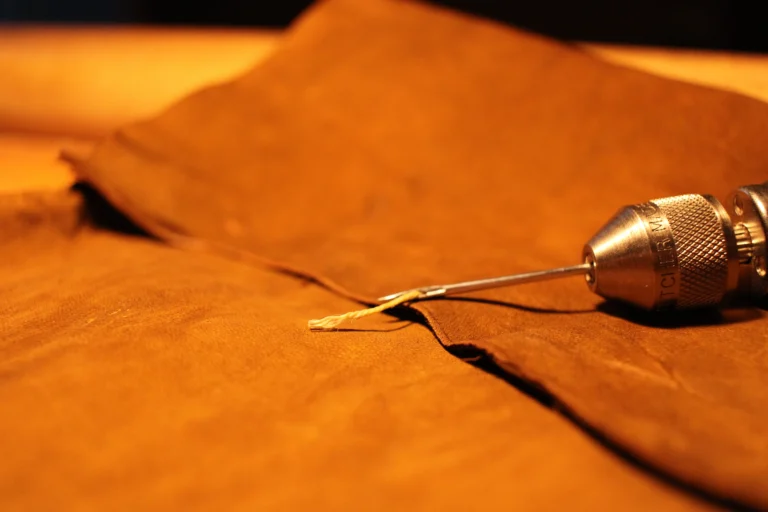
Simplicity sits at the center of this approach. Not as a rejection of tools, but they are hardly the focus. Simple tools, used well, matter more than having many, or pledging loyalty to a specific brand, or having the latest and greatest. Skill becomes the focus. Knowledge of the land, the weather, the plants, movement, culture, people, and the past. These are what carry you, not what you bought.
Time slows down. Not always, but often. There is less urgency to conquer distance and more intention in how each step is taken. You are not trying to conquer anything.
But do not mistake a simple, slower paced approach for a lifestyle of sloth.
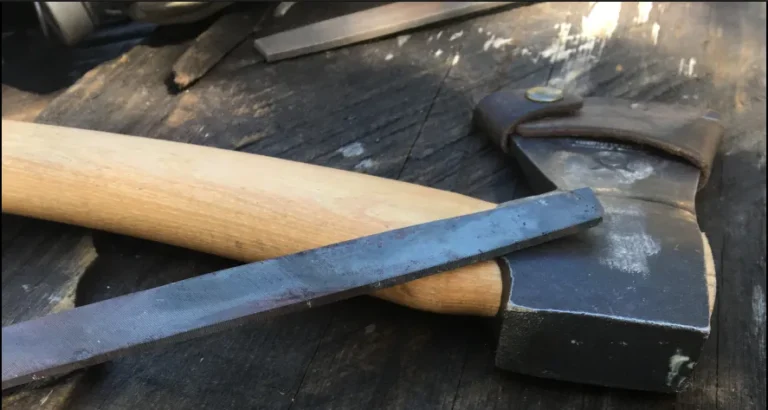
Life outdoors is heavily influenced by rhythms and cycles. An experienced outdoorsman understands this intimately. When there is only a brief window to move safely, a Labrador trapper is not stopping for a picnic and reflecting on philosophy. The miles will be made at a relentless pace. No one settles into a mountain life without preparing for winter. A season’s worth of firewood will be cut before the first snowfall. The axe is swung all summer long. Blisters turn into calluses.
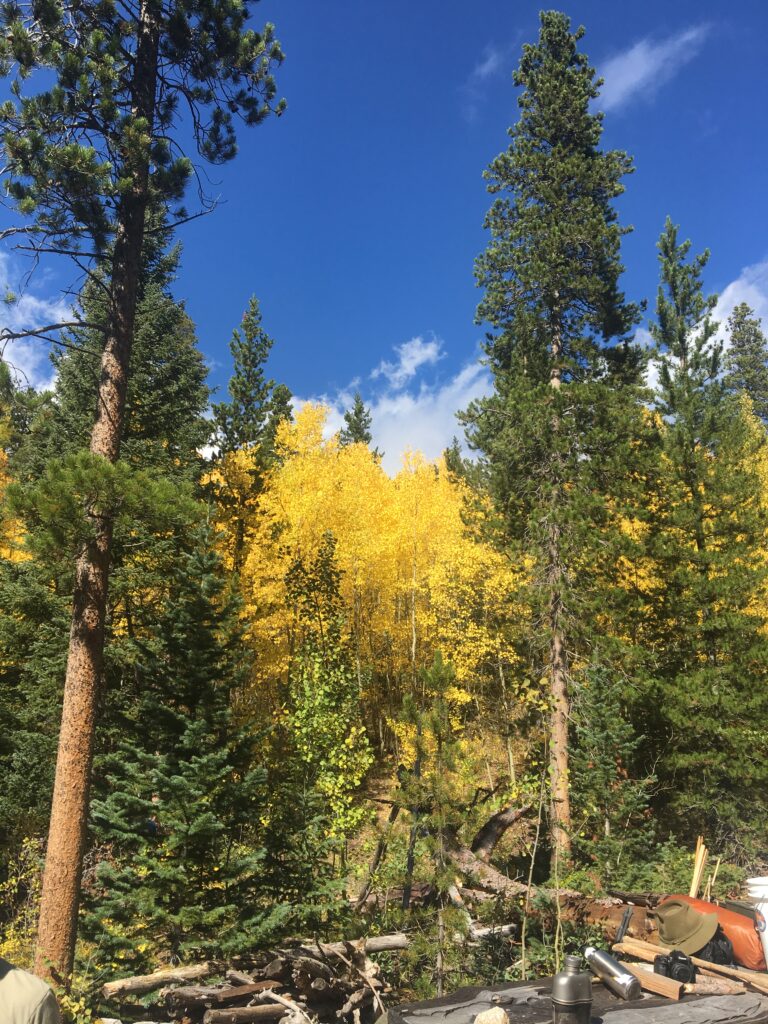
Instead of simply passing through the environment, you begin to build a relationship with it. You notice patterns. You return to the same places. You learn the subtle changes. The way light moves through the trees at different times of day. How the wind shifts before a storm. Where water lingers after rain. The outdoors becomes part of your daily life, not something reserved for weekends or achievements.
Most importantly, this approach changes the nature of the experience itself. Being dropped off, geared up, and photographed at the top may create the appearance of experience, but it is not the same as earning it through effort, awareness, and time. Riding a gondola to the top of a mountain covered in man made snow, groomed to perfection by multimillion dollar equipment, is not building a relationship with the outdoors. Its taking from the outdoors.


Keep going! I want to read more.
My first ever comment and its from an absolute legend! Obviously, you guys have had a heavy influence on me. Thank you for being a beacon in a sea of overly regurgitated slop.